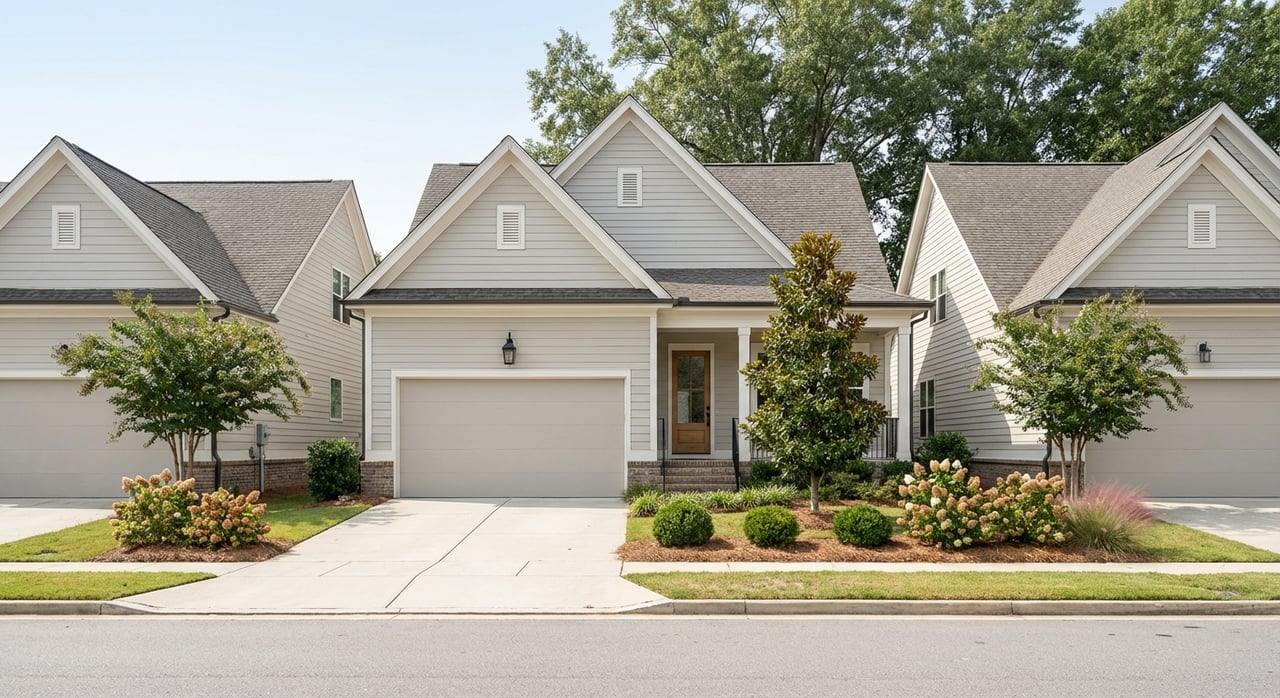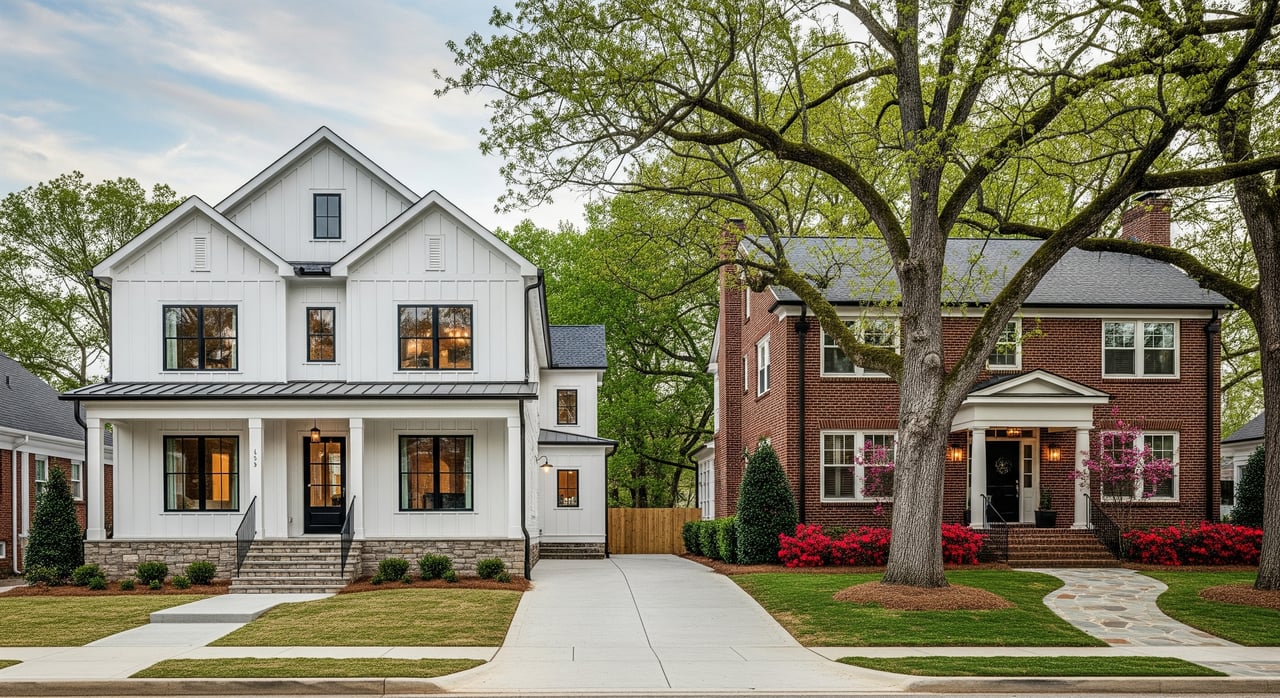
Thinking about buying in Indian Trail but torn between a brand-new build or a resale home? You are not alone. You want the right fit for your timeline, budget, and long-term plans, and both paths offer real advantages. In this guide, you will get a clear, local decision framework, side-by-side checklists, and the key questions to ask before you sign anything. Let’s dive in.
Timeline: new vs resale
If speed matters, your move-in date may decide this for you.
- Resale homes often close in about 30 to 60 days if financing, appraisal, and inspections are routine. Cash purchases can close faster. Contingencies and repair negotiations can add time.
- New construction varies by type:
- Spec or inventory homes that are framed or finished can close within weeks to a few months once you finalize financing and the builder completes punch-list items.
- Build-to-order production homes commonly take about 4 to 9 months from contract to move-in.
- Semi-custom or custom homes often run 9 to 18 months or longer.
Common delay causes include weather, permit or inspection backlogs, labor shortages, materials delays, change orders, and site conditions like grading or utility hookups. If you are racing a job start or a school year, resale or a quick move-in spec home usually offers the most predictable path.
Costs: base price vs add-ons
Sticker price rarely tells the full story. Compare total cost of ownership, not just the headline number.
- New construction add-ons: lot premiums, structural options, design upgrades, landscaping, fencing, driveway details, and window coverings are often extra. Ask for an itemized sheet that shows base inclusions versus paid options.
- Carrying costs while building: interest on construction draws or deposits, insurance, property taxes, and utilities may start before move-in. Clarify when each cost begins.
- One-time fees: impact or tap fees, permits, and HOA initiation fees can appear at closing with new builds. Ask who pays and when.
- Ongoing costs: property taxes for new homes may be assessed differently at first and then adjusted by the county. Insurance is driven by replacement cost and location. HOA dues vary by community amenities and services.
For resale homes, the list price usually reflects both the house and the lot together, and market comparables help you gauge fair value. Still include inspection costs, possible repair expenses, and HOA onboarding fees if applicable.
Warranties and inspections
A strong warranty and solid inspections help protect your investment.
- New construction warranties often follow a tiered structure commonly described as 1 year for workmanship and materials, 2 years for major systems, and 10 years for structural components. Coverage details vary, so ask for the full written warranty, exclusions, and claim procedures.
- Inspection timing for new builds: get independent inspections at critical stages, such as pre-drywall and final. Use the punch list process before closing to document items for the builder to address.
- Resale protections: rely on seller disclosures, your inspection contingency, and repair or credit negotiations. You can also purchase a third-party home warranty for short-term coverage.
HOAs in new subdivisions
Many Indian Trail communities have HOAs that govern shared spaces and exterior standards.
- Scope: amenities, common-area landscaping, trash or recycling programs, architectural control, and rules for exterior changes are common.
- Dues and reserves: newer HOAs may start with lower dues and builder subsidies, then adjust after homeowner control takes over. Ask for the budget, reserve study, and any history of special assessments.
- Rules and restrictions: review CC&Rs, bylaws, and design guidelines to understand what is allowed and how approvals work. Confirm any rental policies and enforcement processes.
Request the HOA’s governing documents, meeting minutes, and the timeline for the developer to hand over control to homeowners.
Financing and appraisals
Your loan type, rate timing, and appraisal can influence both cost and certainty.
- Construction financing: single-close construction-to-perm and two-step construction loans work differently than a standard purchase mortgage. Expect interest-only draws during construction and different qualification steps.
- Builder incentives: some builders offer rate buydowns or closing cost help, often tied to preferred lenders or attorneys. Review the fine print and compare the true net benefit.
- Appraisals: for new homes, appraisers use recent sales of similar product. In a new community with limited comps or extensive upgrades, appraisals can come in conservative. For resales, comps are usually more established, which can make valuations more predictable.
- Rate locks: timing matters. Longer construction windows increase interest-rate risk. Discuss lock options, fees, and float-down possibilities with your lender.
Resale value in Indian Trail
Future resale depends on more than square footage. Your lot, layout, community amenities, energy-efficient features, and the builder’s reputation all influence your next sale. Indian Trail sits within the Charlotte metro growth corridor, so commute access and regional trends can affect demand. When comparing homes, consider how the specific lot, community maturity, and nearby inventory will support liquidity when you decide to move again.
Local steps in Union County
Buying in Indian Trail includes a few local checkpoints:
- Permits and inspections: the Town of Indian Trail and Union County departments administer permits and code compliance. Timelines can change with workload. Ask your builder or contractor which inspections are required and when.
- Property taxes and assessments: the Union County Tax Assessor sets valuations. New construction may be assessed differently at first, then adjusted. Verify current millage rates and reassessment timing.
- Utilities and tap fees: confirm which utilities serve the lot, when connections occur, and whether tap or impact fees apply.
- Licensing and reputation: verify builder licensing through the appropriate North Carolina authority and check complaint history. Ask for recent buyer references and how warranty claims have been handled.
Scenarios: which path fits you
- Move-in within 60 days: prioritize resale or a quick move-in spec home already framed or finished. Keep contingencies tight and prepare documents early to streamline closing.
- Want personalization and modern efficiency: choose build-to-order or semi-custom, accept a longer timeline, and budget for upgrades and lot premiums. Plan for rate risk and construction carry.
- Budget certainty first: resale may offer clearer comps and fewer surprise add-ons. You can still upgrade after closing at your own pace.
- Low immediate maintenance: new construction with a strong warranty and updated systems fits this goal. Still get independent inspections and read warranty exclusions closely.
Compare with these checklists
Use these lists to build an apples-to-apples comparison for a specific home and community.
Cost assessment checklist
- Purchase or base price
- Lot premium or lot-adjusted price
- Structural options and design upgrades
- Landscaping, driveway, fencing, and window coverings
- Utility tap or impact fees and connection timing
- Interest carry during construction versus mortgage interest during escrow
- Third-party inspections and optional home warranty
- HOA initiation fee, first-year dues, and estimated long-term dues
- Current property taxes and likely reassessment
- Potential special assessments or end of builder subsidies
Timeline checklist
- New build estimated start and completion dates
- Contract terms for delays and available remedies
- Construction financing milestones and draw schedule
- Mortgage lock strategy and expiration
- Resale contract timelines for inspections, appraisal, and loan approval
Risk and mitigation checklist
- Builder licensing and complaint checks, plus references
- Full warranty document, claim process, and reporting deadlines
- Subcontractor lien waivers provided at closing
- HOA budget, reserve study, CC&Rs, and meeting minutes
- Appraisal risk plan and cash buffer if needed
Questions to ask builders
Use these during your first visit and before you sign a contract.
- Timeline and completion
- What is the estimated completion date for this plan and lot, and how does the contract handle delays?
- How do upgrades or change orders affect timing?
- Pricing and inclusions
- What is included in the base price, and what are typical lot premiums today?
- How are options priced, and when are selections due?
- Warranties and service
- Provide the full written warranty with coverage periods, exclusions, and claim process.
- Are warranties handled in-house or by a third party, and are they transferable?
- How is the punch list handled, and what is the post-close timeline for fixes?
- Inspections and quality
- Which municipal inspections will occur and when?
- Will you allow independent pre-drywall and final inspections, and a pre-close walkthrough?
- Financing and incentives
- Are incentives tied to a preferred lender or attorney, and what are the tradeoffs?
- Do you offer rate buydowns or closing cost help, and what conditions apply?
- HOA and community
- Provide CC&Rs, bylaws, budget, and the timeline for homeowner control.
- What do dues cover, and is there a reserve study?
- Utilities, permits, and fees
- Are water and sewer hookups included, and who pays tap or impact fees?
- Who coordinates meter placement and activation?
- Builder reputation
- How many homes have you delivered in this community and in Indian Trail?
- Can you provide recent buyer references and examples of resolved warranty claims?
Questions to ask sellers and listing agents
These help you reduce surprises on a resale purchase.
- Condition, repairs, and disclosures
- Provide the seller’s property disclosure and a list of major repairs or replacements.
- Any known defects, past insurance claims, or pest treatment history?
- Inspections and maintenance
- When was the last home inspection, and are there specialty reports for roof, chimney, septic, or well if applicable?
- Can you share service records for HVAC, water heater, and roof?
- Taxes, utilities, and HOA
- What are current property taxes and any recent or pending reassessments?
- Are there HOA dues, current budgets, meeting minutes, and any special assessments?
- Title and liens
- Any known liens, easements, or encroachments affecting the property?
- Sale logistics
- What is the preferred closing timeline, and are there concessions or repairs the seller will consider?
- Which personal property is included or excluded?
Your next step
Whether you choose a quick resale or a personalized new build, the right plan protects your time and money. If you want help comparing specific homes, reviewing HOA documents, or mapping out your financing and appraisal strategy, reach out. I work one-on-one with buyers across Indian Trail and the southern Charlotte suburbs to make the move smooth and predictable.
Ready to explore your options in Indian Trail? Connect with Serge Mnatsakanov for local guidance tailored to your timeline and budget.
FAQs
How long does a typical resale purchase take in Indian Trail?
- Most resale transactions close in about 30 to 60 days if financing, appraisal, and inspections proceed on schedule, while cash deals can close faster.
What makes a new construction timeline longer?
- Weather, permit or inspection backlogs, labor and materials shortages, design changes, and site conditions like grading or utilities can extend completion.
Do new homes come with warranties in North Carolina?
- Many production builders offer tiered coverage that commonly includes one year for workmanship and materials, two years for systems, and ten years for structural components, with specifics varying by builder.
What is a lot premium in new construction?
- It is an added cost for a lot with desirable attributes such as a cul-de-sac location, larger yard, privacy, or proximity to amenities, priced on top of the base home price.
How do HOAs typically work in new Indian Trail communities?
- HOAs often manage amenities and common areas, enforce architectural rules, and collect dues, with developers controlling operations early on before transition to homeowners.
Can a new build appraisal come in low?
- Yes, especially in newer communities with limited comparable sales or extensive upgrades; you may need a larger down payment or renegotiate options if that occurs.